
TEHRAN / TEL AVIV — Tensions in the Middle East have reached a dangerous new level as the ongoing military confrontation involving Iran, the United States, and Israel continues to escalate, with fresh missile strikes, air raids, and rising casualties reported across the region.
The conflict has intensified in recent days following coordinated attacks by the United States and Israel targeting Iranian military installations and strategic facilities. In response, Iran has launched waves of ballistic missiles and drones toward Israeli territory and U.S. military bases in the region, raising fears of a wider war in the already volatile Middle East.
Security analysts warn that the situation could spiral further if the military exchanges continue, potentially drawing additional countries into the conflict.
Airstrikes Target Key Iranian Facilities
Recent air raids have struck multiple locations across Iran, including areas near the capital city of Tehran. Reports indicate that several military bases, weapons storage facilities, and infrastructure linked to Iran’s defence systems were targeted in the latest wave of strikes.
Officials in Israel say the operations are aimed at weakening Iran’s missile capabilities and preventing the development of advanced weapons systems that could threaten regional security.
Satellite images and eyewitness accounts show extensive damage in several locations following the bombardments. Explosions were also reported near energy facilities and strategic infrastructure, further intensifying the crisis.
Iranian authorities have condemned the strikes, describing them as acts of aggression and vowing to respond with stronger retaliation.
Rising Civilian Casualties
Humanitarian concerns are mounting as the number of casualties continues to rise on both sides of the conflict.
Reports from Iranian officials indicate that more than 1,000 people have been killed since the fighting began, with thousands more injured in the ongoing bombardments. Several residential areas have reportedly been hit during the attacks, raising fears about the growing civilian toll.
In Israel, retaliatory missile strikes launched by Iran have also caused injuries and damage in several cities, forcing millions of residents to seek shelter as air raid sirens sound across the country.
Emergency services in both countries have been working to rescue survivors from damaged buildings and provide medical assistance to the injured.
Iran Launches Missile and Drone Retaliation
Iran has responded to the attacks with a large-scale missile and drone campaign targeting Israeli cities and U.S. military installations across the Middle East.
Military sources say hundreds of projectiles have been launched since the conflict escalated, some reaching major urban centres while others targeted strategic military sites.
Air defence systems in Israel and neighbouring countries have intercepted many of the missiles, but several have still caused damage and casualties.
The retaliatory strikes have also heightened tensions across the wider region, with several countries increasing security measures around key infrastructure and military installations.
Global Concern Over Regional War
The intensifying conflict has triggered alarm among world leaders and international organizations, with many warning that the situation could escalate into a broader regional war.
Diplomatic efforts are underway in several capitals to encourage de-escalation and prevent further military confrontation.
Security analysts say the involvement of powerful nations such as the United States significantly raises the stakes, making the crisis one of the most serious geopolitical confrontations in recent years.
Several neighbouring countries have already reported missile interceptions and heightened military alerts as the conflict continues to unfold.
Impact on Global Energy Markets
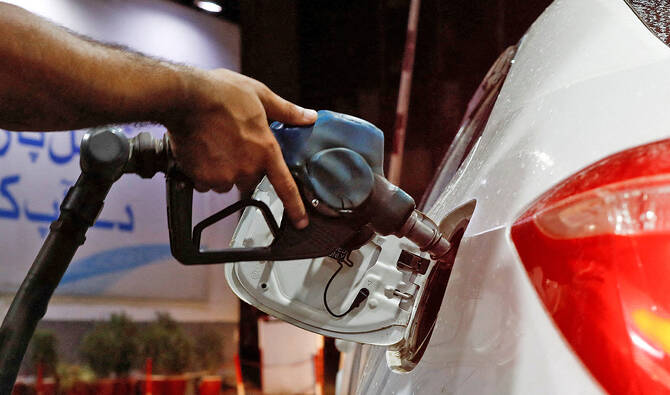
The escalating tensions have also begun affecting global oil markets, as traders fear possible disruptions to energy supplies from the Middle East.
One of the biggest concerns is the security of the Strait of Hormuz, a crucial maritime route through which a significant portion of the world’s oil shipments pass.
Any disruption to shipping in this corridor could push oil prices higher and create economic ripple effects around the world.
Countries that rely heavily on imported fuel — including Kenya — could eventually experience higher fuel costs if global oil prices continue rising.
Uncertain Path Ahead
As the conflict intensifies, analysts say the coming days will be critical in determining whether the situation stabilizes or escalates further.
With missile strikes continuing and diplomatic tensions rising, the Middle East remains on edge as the world watches closely for signs of either escalation or negotiations.
For now, civilians across the region continue to brace for further attacks while international leaders push for urgent dialogue to prevent the conflict from spiralling into a full-scale regional war.